Introduction
The skyline of Dubai is symbolic of urban creativity, future style, and high-speed urbanization. With the city ever growing in both vertical and horizontal directions, the quality of the building, sustainability, and functionality have become the foremost concerns of the developers, architects, and even the homeowners. Wall cladding is one of the architectural features that has been in the spotlight in this changing environment. Wall lining means covering one surface with another material to achieve a skin or a cover that is meant to safeguard and beautify the structure. Wall cladding in the harsh environmental conditions of the United Arab Emirates (UAE) and Dubai in particular is a very beneficial factor, which may have various advantages, such as thermal performance and improvement of aesthetics.
1. Increased Thermal Insulation and Energy Saving
The climate of Dubai is very hot, more so in the summer season, when the ambient temperature may often exceed 40 °C. Sustainability of indoor environments becomes a major problem in such an environment. The older buildings that lack appropriate insulation need higher power to run cooling systems to ensure comfortable temperatures in the buildings.
Wall cladding systems, and particularly those that have insulating materials, e.g., expanded polystyrene (EPS), extruded polystyrene (XPS), or mineral wool, offer another thermal barrier. This makes it a major impediment to heat transfer between the exterior and the interior of an edifice, resulting in less cooling burden. Consequently, there is a decrease in energy consumption, and this amounts to a decrease in utility costs and carbon footprint.
There is also an improved thermal insulation, which leads to greater occupant comfort. The buildings that have good cladding systems are cool and more stable in the internal temperatures, even in times of peak heat conditions. In both business districts of Dubai and residential villas of the suburban communities, this is a strong point that enhances cost efficiency and sustainability.
2. Security in the Event of Unfavorable Weather
Wall cladding companies in Dubai offer a strong shielding feature that protects structural materials behind the cladding against damage from the environment. Metal panels (aluminum, steel), fiber cement boards, natural stone, and high-pressure laminate (HPL) are some of the cladding materials that are designed to withstand severe weather conditions. These materials can withstand fading, cracking, and degradation of their surface and are long-lasting.
Moreover, waterproofing and drainage systems are frequently used as elements of the cladding systems. This will aid in stopping ingress of water in the event of sudden downpour to safeguard internal structures against water damage, mould, and corrosion. Cladding systems are very important, especially in structures located near the shore, where the air near the shore contains a lot of salt, causing the structures to corrode very fast.
3. Better Aesthetics and Architectural Plasticity
The effect of wall cladding on aesthetics is one of the most evident advantages of this activity. The facade of a building can largely affects its value and recognition by people in such a city as Dubai, where the design innovation is praised, and the architectural uniqueness is an asset.
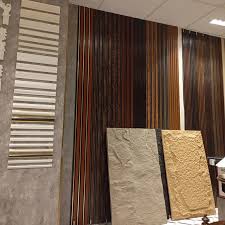
Wall cladding is offered in various materials, colors, textures, and finishes. Cladding can give smooth modern surfaces to architects and designers, imitate the imitation of stone or wood, or be bold with graphic designs.
The architectural flexibility allows developers to attain customized facades that conform to branding, cultural themes, or environmental philosophy. Be it a residential high-rise in Downtown Dubai, an international company headquarters in Business Bay, or a shopping mall in Jumeirah, cladding helps a great deal in the architectural look of the built environment.
4. Minimal Maintenance Specifications
Maintenance is a crucial issue that the building owners are interested in because of the environmental conditions in Dubai. Conventional open fronts tend to be dusty, need regular cleaning, repainting, and repairing as a result of weathering and thermal expansion.
Low-maintenance construction materials like aluminum composite panels (ACP) and fiber cement boards, as well as natural stone, are low-maintenance in nature. Surface coating of many of these materials makes it difficult to adhere to them and allows the material to be easily cleaned. As an example, metal cladding surfaces, available as PVDF (polyvinylidene fluoride), have very high resistance to environmental contaminants and UV decay.
Not only does low maintenance decrease the cost of operation throughout the life of the building, but it also enhances the performance and the appearance of the building in the long run. Long-term service and consistent maintenance times are also beneficial to facility managers because they can be included in long-term asset planning.
5. Increased Building Fire and Stability
Dubai safety laws and building codes lay emphasis on fire resistance, particularly in high-rise buildings. Some wall cladding systems have been developed to have increased fire safety through the use of non-combustible or fire retarding materials.
An illustration is that cladding panels made of minerals, fiber cement, and certain metal materials have a higher level of fire resistance in comparison to conventional materials. These systems have the capacity to delay the fire and allow the much-needed time for evacuation and the response of the emergency.
Moreover, cladding of walls provides structural protection. Cladding also protects the structural integrity of buildings by protecting the major load-bearing components against environmental erosion and mechanical damage. This safeguarding capacity is especially useful in regions that have high wind pressures and in seismic areas.
6. Noise Comfort and Insulation
Although thermal performance is a frequently mentioned advantage of contemporary cladding systems, another key advantage of modern cladding systems is acoustic insulation. Cities such as Dubai have significant traffic, building projects, and crowded areas; all are sources of noise.
Cladding systems with insulation material of sound-absorbing characteristics can go a long way in alleviating external noise infiltration. In residential buildings, hotels, and commercial spaces, a higher level of acoustic comfort enhances the satisfaction levels, productivity, and well-being of occupants.
Conclusion
Wall cladding is not only a luxury, when it comes to extreme weather conditions in Dubai, the ambitious development of this city, and the fierce rivalry in the architectural sector, but it is also a prudent investment. Sharper thermal performance will reduce energy costs and add comfort to the occupants and the enduring nature of material qualities will protect the building against harsh weather conditions and design flexibility will enhance the aesthetics and architectural distinctiveness.
The additional advantages of wall cladding include low maintenance, enhanced safety, acoustic, and sustainability attributes that make the value proposition of wall cladding even more convincing. To the developers, property owners, and designers who are interested in long-term performance, resilience, and environmental responsibility, wall cladding is a basic aspect of modern construction activity in Dubai.