You want an digital marketing agency that moves metrics, not jargon. The best digital marketing agency for your business combines measurable ROI-focused services — like SEO, paid media, content, and analytics — with a clear strategy tailored to your market and goals. That clarity saves time and budget while accelerating growth.
You’ll learn which core services matter, how agencies prove results, and what red flags to avoid when choosing a partner. Use those checkpoints to compare candidates confidently and pick the team that will deliver the outcomes you need.
Key Services Offered by the Best Digital Marketing Agency
Top agencies combine strategic planning, measurable acquisition channels, content that converts, and continuous optimization to grow your revenue and lower customer acquisition costs.
Comprehensive Digital Strategy
A comprehensive strategy maps your business goals to measurable marketing actions. The agency audits your current channels, identifies high-opportunity audiences, and sets specific KPIs such as CAC, LTV, and conversion rate targets.
They build a prioritized roadmap that sequences quick wins (e.g., landing-page optimization) and longer-term investments (e.g., organic content and technical SEO). You get defined personas, channel mix recommendations, and a 6–12 month media and content calendar tied to budget allocations.
Reporting cadence and governance are established up front: weekly campaign checks, monthly performance reviews, and a quarterly strategic reset. This keeps execution aligned with evolving business needs and seasonality.
Search Engine Optimization (SEO)
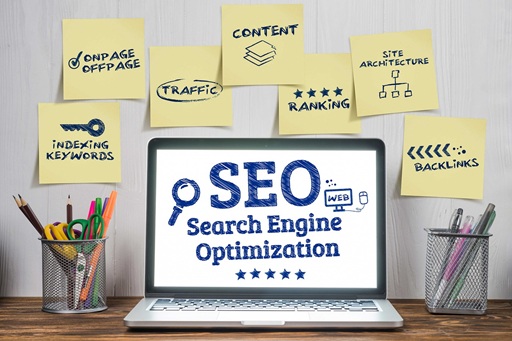
SEO work focuses on three pillars: technical health, content relevance, and authority building. The agency performs a technical audit to fix crawlability, page speed, structured data, and indexation issues that directly impact rankings.
For content, they map keywords to funnel stages and create or optimize pages for transactional, informational, and local intent. You receive an editorial plan, on-page templates, and conversion-focused CTAs.
Authority efforts include outreach, PR-driven link acquisition, and data-backed content assets. Progress is tracked via organic traffic, keyword positions, pages-per-session, and conversions attributed to organic search.
Pay-Per-Click Management
PPC management delivers targeted traffic with tight cost controls. The agency structures campaigns by intent and funnel stage across platforms (Search, Display, Shopping, and Performance Max or equivalent). You get granular ad groups, negative keyword lists, and conversion-tracking configured at the action level.
They use bid strategies that match your goals—manual CPC for control, or target CPA/ROAS for scalable automation—paired with A/B tests for ad copy and landing pages. Daily or weekly budget pacing, impression-share monitoring, and audience retargeting keep spend efficient.
Performance reports show cost per click, cost per acquisition, conversion rate, and return on ad spend so you can evaluate channel profitability.
Social Media Marketing
Social strategies create brand demand and nurture prospects through paid and organic tactics. The agency crafts platform-specific plans (Meta, LinkedIn, X, TikTok) with targeted creatives, posting cadence, and community engagement rules. You receive campaign types mapped to objectives—awareness funnels with video, lead-gen forms, and conversion-focused retargeting sequences.
Creative production includes short-form video, carousel ads, and UGC-style assets optimized for each feed. They implement audience segmentation for lookalikes and interest-based targeting, plus pixel/event setup for cross-channel measurement.
Metrics reported include reach, engagement rate, CPM, CTR, cost per lead, and downstream conversion to revenue, enabling you to scale the highest-performing content and audiences.
How to Identify the Best Digital Marketing Agency
Look for measurable outcomes, clear processes, and services tailored to your business model. Prioritize evidence of past success, straightforward communication, and a plan built around your goals and resources.
Proven Track Record
You should expect concrete examples of past work that match your industry, budget, and objectives. Ask for case studies that show baseline metrics, the tactics used, and specific results—traffic increases, conversion rate improvements, CAC reduction, or revenue lift. Request contactable references and speak to at least two past clients about timelines, responsiveness, and whether promised KPIs were met.
Check third-party signals: client reviews on platforms like Google or Clutch, awards, and verified performance data (e.g., Search Console, Google Analytics screenshots). Beware of vague claims such as “we doubled traffic” without supporting dates, starting figures, or channel breakdowns. You should also confirm that the agency can scale efforts and sustain results beyond initial campaigns.
Transparent Communication
You need clear reporting cadence, named points of contact, and documented workflows from the start. Insist on a communication plan that defines meeting frequency, report templates, and escalation paths. Reports should include both metrics (impressions, clicks, conversions, ROAS) and context—what the numbers mean and recommended next steps.
Ask for access levels to your accounts rather than receiving only summarized screenshots. Confirm who will manage your day‑to‑day tasks and who handles strategy. Transparency also covers pricing: get a written scope of work with line-item costs, estimated hours, and change-order rules so you can compare proposals accurately.
Customized Solutions
Your business needs strategies built on your audience, sales cycle, and KPIs—not off-the-shelf packages. Evaluate the agency’s onboarding process: do they conduct an audit, stakeholder interviews, and a competitive analysis? A good agency outlines a phased plan (discovery, execution, optimization) with campaign types tied to specific conversion goals.
Look for agencies that adapt channels and tactics to your constraints—budget, internal resources, tech stack—and provide a clear testing roadmap (hypotheses, A/B tests, success metrics). Request examples of past custom strategies and the decision logic behind them, not just templates. If the agency pushes one-size-fits-all services, they likely won’t deliver the targeted ROI you need.