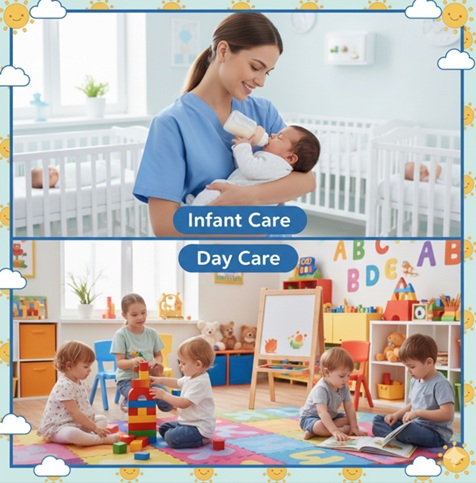
Choosing the best preschool in Pune can feel overwhelming, but you can narrow your search quickly by focusing on proven factors like curriculum, teacher quality, safety, and parent feedback. The best preschool for your child in Pune will match your priorities for learning approach, daily routine, and family logistics while offering qualified staff and a safe, engaging environment.
This article walks you through what to look for when comparing preschools, explains which elements truly impact early learning outcomes, and guides you to make a confident choice that fits your child’s needs and your schedule. Stay with this guide to learn practical steps for evaluating options across Pune and to find preschools that balance play, development, and care.
Top Factors That Define the Best Preschool in Pune
Look for a program that pairs a research-backed learning method with strict health practices and empathetic staff. These elements shape daily routines, parent communication, and classroom outcomes you’ll notice within weeks.
Curriculum and Teaching Approach
You want a curriculum that emphasizes play-based learning, measurable skill milestones, and age-appropriate independence. Check whether the school uses a recognized framework (for example HighScope, Montessori, or an early years national guideline) and adapts lessons to individual progress rather than a one-size-fits-all timetable.
Ask for examples of daily schedules and assessment methods. Good preschools show you activity plans that balance free play, guided learning, phonics and numeracy starters, plus structured physical activity. They also document developmental checkpoints—communication, fine motor, and socio-emotional skills—so you can track growth every term.
Look for teachers who use observation notes and simple portfolios to share progress with parents. Class sizes and teacher-to-child ratios should be explicit; smaller groups allow targeted scaffolding and more meaningful interactions.
Safety and Hygiene Standards
Your top priority should be verifiable procedures for child safety and illness prevention. Confirm that the school has secure entry/exit controls, staff background checks, and clear pick-up authorizations. Ask to see emergency plans, evacuation maps, and first-aid certification records.
Inspect hygiene routines: diapering/toilet protocols, surface-cleaning schedules, laundry practices for soft toys, and meal handling standards. Reliable preschools publish their sick-child policy—thresholds for keeping a child home, notification timelines, and return-to-school criteria after contagious illness.
Outdoor play areas must use age-appropriate surfacing and regularly inspected equipment. Medication administration should require written parental consent and be logged. These concrete measures reduce risk and give you confidence day to day.
Qualified and Caring Staff
Prioritize teachers with formal early childhood qualifications and ongoing in-service training. Degree or diploma in ECE and certificates in child first-aid indicate both knowledge and readiness to handle classroom challenges. Verify staff turnover rates; low turnover signals stability and stronger bonds between teachers and children.
Observe interactions during a visit. You want warm, responsive adults who name children’s feelings, encourage problem-solving, and provide clear, calm limits. Effective staff use positive behavior strategies and individualized attention rather than shouting or frequent time-outs.
Administrative transparency matters: ask about staff-to-child ratios, mentoring programs for new teachers, and professional development schedules. When teachers receive regular coaching and reflective practice time, your child benefits from consistent, evolving pedagogy.
How to Choose the Right Preschool in Pune
Focus on practical factors that affect your daily life and your child’s safety, learning, and social comfort: commute time, real parent feedback, and on-site facilities like outdoor play, nap rooms, and hygiene practices.
Location and Accessibility
Pick a preschool within a 20–30 minute commute from your home or workplace to minimize daily stress and missed drop-offs. Check traffic patterns for the exact times you’ll travel; Pune’s peak-hour congestion can double commute time on some routes.
Confirm safe walking routes and available parking. If you plan to use a school bus, verify the pickup/drop timing, whether the vehicle is GPS-tracked, and if the driver and attendant have background checks and first-aid training.
Ask the school for a sample daily timetable to ensure arrival and departure slots fit your schedule. Consider proximity to healthcare (clinic or hospital within 10–15 minutes) and emergency services as part of your accessibility assessment.
Parent Reviews and Testimonials
Look for recent, detailed reviews that mention specific teachers, management responsiveness, or recurring issues like hygiene or late notifications. Prioritize parent forums and local WhatsApp groups where families post unedited experiences rather than only curated testimonials on the school website.
During visits, request contact details of current parents and ask about strengths and weaknesses: how the school handles behavior problems, parent-teacher communication frequency, and clarity of fee structure.
Watch for patterns across reviews. A single complaint is less concerning than multiple independent reports of the same problem (for example, inconsistent hygiene practices or poor teacher retention).
Infrastructure and Facilities
Inspect outdoor play space size and surfacing; look for at least one shaded play area and age-appropriate equipment with soft fall zones. Confirm classroom size and child-to-teacher ratio—ideally under 15:1 for preschoolers—to ensure individual attention.
Check cleanliness routines: ask when toys are sanitized, how often linens are changed, and location of hand-wash stations. Verify napping arrangements—separate, ventilated nap rooms with labeled cots—and food policies including kitchen hygiene certification and sample weekly menu.
Ensure safety features: CCTV in common areas (not in restrooms or nap rooms), gated compound, fire extinguishers, and clear emergency evacuation plans. Request to see staff certifications in early childhood education and pediatric first aid.