Navigating the Engineering of Relief: A Consultant’s Guide to Sinus Irrigation Systems
In the world of custom healthcare manufacturing, we often discuss “patient outcomes” as an abstract metric. However, when you dive into the structural design of upper respiratory devices, those outcomes become very tangible. Over the last seven years, I’ve seen the market shift from simple gravity-fed pots to sophisticated mechanical systems. Choosing the Best Sinus Irrigation Machine Reviews and technical specs aside, requires understanding the intersection of fluid dynamics and user comfort.
When we consult on product development for respiratory aids, the challenge isn’t just “moving water.” It’s about managing pressure gradients to ensure the ethmoid and maxillary sinuses are reached without causing barotrauma or discomfort to the middle ear.
The Material Science of Hygiene
One of the most overlooked aspects of sinus machines is biocompatibility and material degradation. Most off-the-shelf units utilize standard injection-molded plastics. However, from a manufacturing standpoint, the “best” machines utilize medical-grade, BPA-free polymers that withstand repeated exposure to saline a surprisingly corrosive solution over time.
I often see brands make the mistake of prioritizing aesthetics over surface porosity. If the internal chambers of a device are too porous, they become breeding grounds for biofilm. When reviewing options, look for devices with “polished” internal fluid paths. This design choice isn’t just for show; it’s a critical health care benefit that ensures the device remains sterile after multiple uses.
Precision vs. Power: The Pulsatile Advantage
In my experience coordinating with clinical testers, the most common feedback is that “power” is often misunderstood. A high-pressure stream is not necessarily effective; it can actually trigger a defensive inflammatory response in the nasal mucosa.
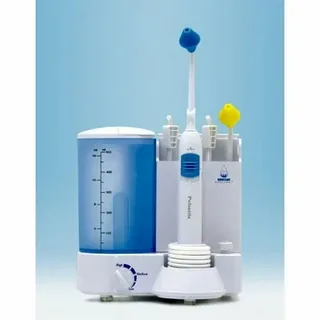
The industry is moving toward pulsatile irrigation. By mimicking the natural mucociliary clearance (the body’s own way of moving mucus), these machines use rhythmic pulses to shear away thick secretions. When searching for the Best Sinus Irrigation Machine Reviews frequently highlight “strength,” but as a consultant, I look for frequency modulation. A machine that allows you to adjust the pulse rate rather than just the raw pressure offers a far more sophisticated level of care.
Supply Chain Realities and Product Longevity
From a supply chain management perspective, the “hidden” cost of sinus machines lies in the consumables. Many brands position their hardware at a lower price point only to inflate the cost of proprietary saline pods.
Professional Insight: I always advise clients to look for “open-system” compatibility. Brands that force you into a proprietary ecosystem often sacrifice long-term customer trust for short-term margins. A machine that allows the use of standard USP Grade Sodium Chloride packets is usually a sign of a company confident in its hardware’s value, rather than its “subscription” model.
Common Pitfalls in Brand Positioning
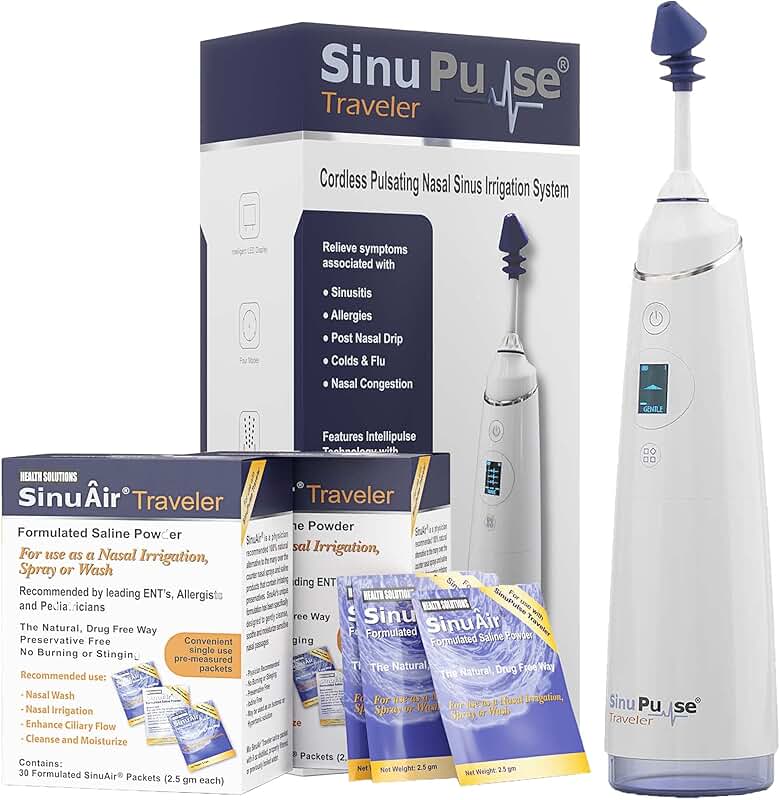
In my years of product presentation, I’ve noticed a recurring mistake: brands focusing on “sleekness” while neglecting ergonomic structural design. Sinus irrigation is inherently messy. If a device doesn’t have a moisture-resistant grip or an intuitive reservoir detachment, the user experience fails regardless of how powerful the motor is.
Another common error is inadequate IPX (Ingress Protection) ratings. Since these machines live in bathrooms and handle liquids, poor sealing around the charging port or power switch leads to a high rate of Return Merchandise Authorizations (RMAs). A truly high-end machine should be rated at least IPX7 to ensure durability in wet environments.
Finding the Balance: Powerful yet Gentle
When looking for the Best Sinus Irrigation Machine Reviews can sometimes be misleading if they don’t account for the sensitivity of the nasal lining. The ideal device provides a “high-volume, low-pressure” (HVLP) experience.
- The Powerful Option: Look for units with a heavy-duty diaphragm pump. These provide consistent flow even when the nasal passages are severely congested.
- The Gentle Option: Look for micro-atomizing nozzles. These are excellent for post-operative care where the tissue is too sensitive for a direct stream but requires constant hydration.
Optimization and Cost Efficiency
For those managing bulk procurement or healthcare facility supplies, cost optimization shouldn’t come from lowering material quality. Instead, it comes from modular design. I prefer machines where the tip and the reservoir can be replaced independently of the motor base. This reduces electronic waste and lowers the total cost of ownership for the patient.
When we evaluate the Best Sinus Irrigation Machine Reviews usually focus on the immediate sensation. However, my professional observation is that the most successful products—the ones that stay on the market for decades—are those that prioritize ease of decontamination. If a machine takes 20 minutes to clean, the patient won’t use it, and the healthcare benefit is lost.
Final Thoughts on Selection
As someone who has spent years behind the scenes of healthcare manufacturing, my takeaway is this: ignore the “bells and whistles” like Bluetooth connectivity or digital displays. Instead, focus on the pump consistency, material grade, and ease of sterilization.
The Best Sinus Irrigation Machine Reviews often miss the structural integrity of the internal valves, but that is exactly what determines if the machine will last six months or six years. Choose a device that treats your anatomy with the respect it deserves gentle enough to preserve your natural defenses, but powerful enough to clear the path.