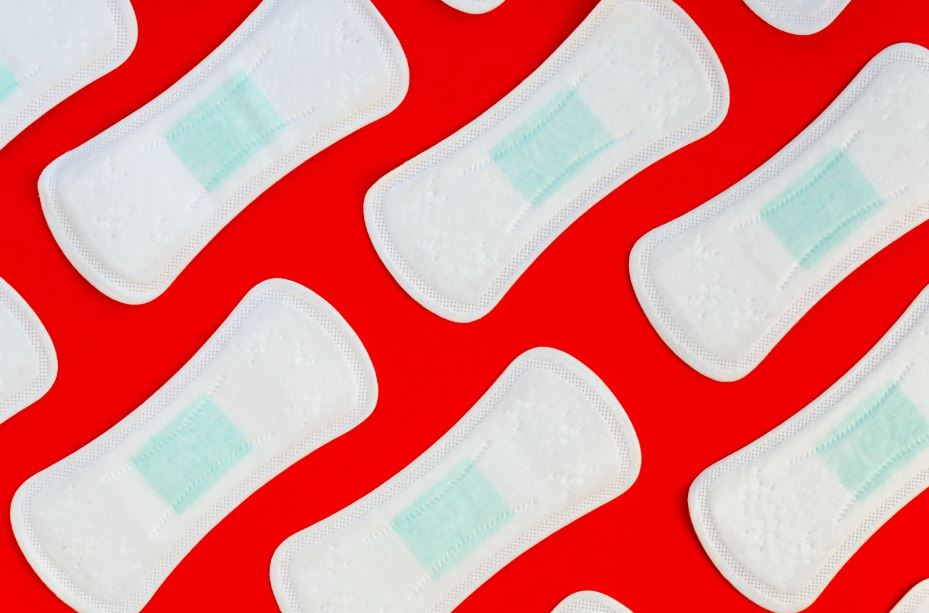
Eco-friendly sanitary pads are becoming a popular choice for women who want to care for both their bodies and the environment. Unlike conventional pads, these options are made from biodegradable, organic, or chemical-free materials. They help reduce plastic waste and lower the environmental impact of menstrual products. Many women also find them gentler on sensitive skin due to fewer synthetic ingredients. Choosing sustainable period products is a small but meaningful step toward a greener and healthier lifestyle.
What Are Eco-Friendly Sanitary Pads?
Eco-friendly sanitary pads are designed to reduce environmental impact. They are typically made from natural, biodegradable, or organic materials instead of plastic-heavy components. These pads break down more easily after disposal, helping to reduce long-term waste. Many brands also avoid harsh chemicals, artificial fragrances, and synthetic fibers. They offer a more sustainable option for managing periods responsibly.
Why Sustainable Menstrual Products Matter
Traditional sanitary pads can take hundreds of years to decompose due to their plastic content. With millions of pads disposed of daily, the environmental impact is significant. Sustainable menstrual products help reduce landfill waste and plastic pollution. They also encourage more conscious consumer choices that support environmental protection. Making small changes in personal care can contribute to a healthier planet.
Materials Used in Eco-Friendly Pads
Eco-friendly pads are often made from organic cotton, bamboo fiber, cornstarch-based bioplastics, or other plant-based materials. These materials are chosen for their ability to biodegrade naturally. Organic cotton is grown without harmful pesticides, making it safer for both the environment and the skin. Bamboo is valued for its softness and fast-growing, renewable nature. Together, these materials create a product that is both gentle and sustainable.
How Eco-Friendly Pads Reduce Environmental Waste
Unlike conventional pads that contain large amounts of plastic, eco-friendly pads minimize synthetic components. Many are compostable or biodegradable under the right conditions. Their production processes may also focus on reducing carbon emissions and water usage. Some brands use recyclable or minimal packaging to further cut down waste. Over time, switching to sustainable options can significantly lower your environmental footprint.
Benefits of Switching to Sustainable Sanitary Pads
Switching to eco-friendly pads can reduce exposure to synthetic chemicals and fragrances. Many users find them softer and more breathable than traditional options. They also align with environmentally responsible values and lifestyle choices. Supporting sustainable brands can promote ethical manufacturing practices. Overall, they offer a balance between personal comfort and environmental care.
Biodegradable vs Organic Pads: What’s the Difference?
Biodegradable pads are designed to break down naturally after disposal. Organic pads, on the other hand, focus on using materials grown without synthetic fertilizers or pesticides. A pad can be organic but not fully biodegradable if it contains some plastic components. Similarly, a biodegradable pad may not always be made from certified organic materials. Knowing the difference helps you make a more informed purchase.
Are Eco-Friendly Pads Safe for Sensitive Skin?
Many eco-friendly pads are free from chlorine, dyes, and artificial fragrances. This makes them a good option for people with sensitive skin or allergies. Natural materials like organic cotton are breathable and reduce the risk of irritation. However, it’s still important to check product labels for any potential allergens. Choosing high-quality products can provide both comfort and peace of mind.
Comparing Reusable and Disposable Eco Pads
Reusable eco pads are made from washable fabric and can be used multiple times. They significantly reduce waste over the long term but require regular cleaning and maintenance. Disposable eco pads are more convenient while still being better for the environment than traditional options. Each type has its own advantages depending on lifestyle and preference. The best choice depends on your comfort, routine, and sustainability goals.
How to Choose the Right Sustainable Pad for Your Needs
Start by considering your menstrual flow and daily activities. Look for pads with the right absorbency level to prevent leaks. Check product labels for certifications such as organic or biodegradable claims. Reading reviews can also help you understand real user experiences. Finding the right sustainable pad may take some trial and error.
Tips for Disposing of Eco-Friendly Sanitary Pads Responsibly
Always follow the disposal instructions provided by the manufacturer. Some biodegradable pads can be composted under specific conditions, while others should go in regular waste bins. Avoid flushing any type of pad down the toilet. Wrapping used pads properly before disposal helps maintain hygiene. Responsible disposal ensures that the environmental benefits of eco-friendly pads are fully realized.
conclusion
Choosing eco-friendly sanitary pads is a simple yet powerful step toward creating a more sustainable lifestyle. These products are designed to reduce plastic waste while still providing comfort, safety, and reliable protection during periods. By switching to biodegradable or reusable options, women can help lower the environmental impact caused by traditional disposable pads. Small choices like this can collectively make a big difference in protecting the planet for future generations.