Power generation plants are designed for continuous operation under extreme working conditions. From thermal power stations producing electricity through steam turbines to hydroelectric plants harnessing water energy, every system relies on durable and high-performance components.
Turbine shafts, steam valve components, pump shafts, and high-pressure fasteners are critical parts that must withstand heat, pressure, rotational forces, and long-term mechanical stress. Selecting the right material—such as SS 410 Black Forged Bar and other alloy steels—is essential for ensuring safety, efficiency, and long service life.
Turbine Shafts: Handling Extreme Rotational Stress
Turbine shafts are responsible for transferring mechanical energy from turbines to generators. In thermal power plants, steam rotates the turbine, while in hydro plants, water flow drives the system. The shaft must endure:
-
High rotational speed
-
Torsional stress
-
Continuous vibration
-
Thermal expansion
-
Heavy mechanical load
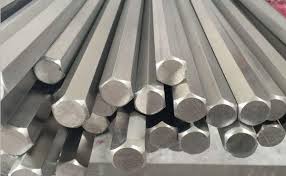
To meet these demands, manufacturers use high-strength alloy steels and martensitic stainless steels. SS 410 Black Forged Bar is commonly selected for certain shaft and structural applications because forging improves internal grain strength, enhancing fatigue resistance and durability under continuous rotation.
Heat treatment further increases hardness and wear resistance, making it suitable for demanding turbine environments.
Steam Valve Components in Thermal Power Plants
Steam valves regulate and control high-pressure steam within boilers and turbine systems. These components operate in extreme environments involving:
-
Elevated temperatures
-
High internal pressure
-
Corrosive steam exposure
-
Repeated opening and closing cycles
Materials used for steam valve parts include:
-
SS 410 Black Forged Bar for valve stems and internal components
-
Stainless Steel 304 and 316 for corrosion resistance
-
Chromium-molybdenum alloy steels for high-temperature strength
SS 410 offers a combination of strength and moderate corrosion resistance, especially after proper heat treatment. Its mechanical stability makes it reliable for critical steam-handling components.
Pump Shafts in Energy Plants
Pumps play a crucial role in circulating cooling water, condensate, and other fluids across power generation systems. Pump shafts must operate continuously without distortion or excessive wear.
Key Performance Requirements:
-
High tensile strength
-
Resistance to bending and vibration
-
Corrosion resistance
-
Surface hardness
Materials such as duplex stainless steel, alloy steels, and SS 410 Black Forged Bar are commonly used in pump shaft manufacturing. The forged structure enhances structural integrity, making it suitable for heavy-duty industrial use in both hydro and thermal facilities.
High-Pressure Fasteners for Critical Assemblies
Fasteners secure boilers, turbines, pressure vessels, flanges, and pipeline systems. Although small in size, they carry immense responsibility in maintaining structural stability.
Essential Characteristics:
-
High tensile and yield strength
-
Thermal stability
-
Resistance to fatigue failure
-
Corrosion protection
Fasteners in power plants are typically manufactured from heat-treated alloy steels, stainless steel grades, and martensitic materials like SS 410. When produced from SS 410 Black Forged Bar, bolts and studs gain improved strength and durability suitable for high-pressure steam systems.
Importance of Heat and Mechanical Stress Resistance
Power plants operate 24/7, often under severe operating conditions. Components must resist:
-
Continuous exposure to high temperatures
-
Mechanical vibration and shock
-
Pressure variations
-
Long operational cycles
The ability of SS 410 Black Forged Bar to withstand heat and mechanical stress makes it a practical choice for thermal and hydro power plant components. Its balanced properties of hardness, strength, and machinability ensure long-term performance in energy applications.
Manufacturing & Quality Standards
To ensure reliability, power generation components undergo:
-
Forging to refine grain structure
-
Heat treatment for strength enhancement
-
Precision machining for dimensional accuracy
-
Non-destructive testing (NDT)
-
Surface finishing and inspection
These processes ensure safety compliance and operational efficiency.
Conclusion
Power generation technology depends heavily on advanced materials capable of performing under extreme conditions. Turbine shafts, steam valve components, pump shafts, and high-pressure fasteners must be manufactured using materials that deliver strength, durability, and thermal resistance.
SS 410 Black Forged Bar, along with alloy steels and stainless steel grades, continues to play a vital role in ensuring safe and efficient power plant operations. Its ability to withstand heat and mechanical stress makes it a reliable material choice in both thermal and hydro energy systems.