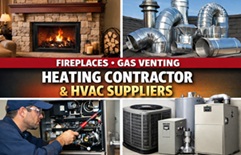
You need safe, code-compliant Gas Venting Near Me, and you can find qualified local pros to inspect, install, or repair vents for appliances like furnaces, water heaters, and fireplaces. If you suspect a venting problem or want an upgrade, contact a certified gas technician near you to assess vent type, clearance, and vent termination so you reduce risk and meet local codes.
This article explains how gas venting works, what certified services cover, and how to choose local experts—so you’ll know what questions to ask and what to expect during an inspection or installation. Learn the differences between common vent materials and when to replace or extend vents, plus practical tips for vetting contractors and getting accurate quotes.
Understanding Gas Venting Services
You need to know what gas venting does, the common system types, why correct venting matters for safety and efficiency, and the typical problems that signal service is needed.
What Is Gas Venting?
Gas venting removes combustion byproducts—carbon monoxide, water vapor, and flue gases—away from your living space to the outdoors. It applies to appliances such as furnaces, water heaters, fireplaces, and gas stoves.
A properly sized vent carries exhaust at temperatures and pressures matched to the appliance. Installers follow manufacturer instructions and local codes to select vent diameter, material, and termination point.
Venting can be natural (relying on buoyancy) or forced (using induced draft fans). You should expect a licensed gas fitter to verify draft, check clearances, and test for leaks and backdrafting during installation or service.
Types of Gas Venting Systems
Direct vent systems draw combustion air from outside and exhaust directly outside through a sealed path. They prevent indoor combustion air mixing and are common for fireplaces and some heaters.
Power-vented systems use an in-line fan to push or pull exhaust through PVC or metal piping. They allow flexible routing and lower exhaust temperatures, which often permits PVC venting for high-efficiency equipment.
Natural-draft (chimney) venting relies on warm exhaust rising through a vertical flue. It requires correct chimney height, good condition lining, and proper termination to avoid backdrafting.
Material choices matter: stainless steel and Class A metal for high-heat or chimney applications, and PVC for condensing/high-efficiency appliances. A professional will match material to appliance category and local code.
Importance of Proper Gas Venting
Proper venting protects you from carbon monoxide, which can accumulate silently if exhaust leaks or backdrafts occur. Correct venting also keeps combustion gases out of living areas and prevents moisture damage from flue condensate.
Efficiency depends on matched venting; wrong diameter, excessive elbows, or long horizontal runs can reduce draft and force the appliance to operate less efficiently. That increases fuel costs and can shorten equipment life.
Compliant venting meets building codes and manufacturer warranties. A certified technician documents vent configuration, tests draft and CO levels, and provides the certifications you may need for inspections or insurance.
Common Issues With Gas Venting
Backdrafting happens when exhaust reverses into the home, often caused by blocked chimneys, negative house pressure, or insufficient vent height. You may notice soot, stale combustion odors, or CO alarm activation.
Corrosion and deterioration affect metal flues and chimneys, especially where condensate collects. Look for rust, crumbling mortar, or a damaged liner—these increase leak risk and reduce draft.
Incorrect sizing, too many elbows, or poor sealing at joints leads to leaks and reduced performance. Power-vent fans can fail electrically, and PVC can be improperly routed or unsupported. Schedule inspection if you detect unusual smells, pilot outages, or visible damage.
Key inspection and maintenance actions:
- Test for carbon monoxide and measure draft.
- Check vent termination clearances and caps.
- Inspect vent materials for corrosion, cracks, or loose joints.
- Verify appliance-to-vent connectors are secure and properly sloped.
Finding Local Gas Venting Experts
Locate technicians with verified gas venting experience, proper credentials, and clear service areas so your installation or repair meets code and keeps your home safe. Focus on licensed professionals who provide written estimates, warranties, and local references.
How to Choose a Gas Venting Professional
Start by checking that the company lists specific gas venting services such as chimney liners, direct-vent appliance installs, or furnace vent replacements. Ask for a written scope of work that explains materials (stainless steel liner, Class A chimney pipe, vent caps), steps, timeline, and disposal of old components.
Confirm the price with an itemized estimate rather than a single lump sum. Request before-and-after photos and references from nearby jobs. Read recent reviews for comments about punctuality, code compliance, and cleanup.
Verify that they carry general liability and workers’ compensation insurance. Insist on a clear warranty for parts and labor, and get any promises in writing.
Qualifications and Certifications
Look for a licensed gas fitter or HVAC technician with state or provincial gas credentials. Certifications from recognized bodies (for example, a Gas Safe registration in the UK or a licensed gas contractor number in many U.S. states) show formal qualification.
Check for manufacturer certifications if they’ll install a specific appliance or venting system. Those certifications mean the technician followed the maker’s installation rules that protect warranties.
Ask for proof of continuing education on venting codes (e.g., NFPA 54 / CSA B149 standards) and for recent code-compliance inspection reports. Keep copies of licenses and certificates in case you sell the property later.
Service Area Considerations
Choose providers who list your city or county on their service area; local technicians know municipal codes, inspection offices, and typical venting constraints for your climate. A company outside your region may miss local permitting or altitude-based draft adjustments.
Verify availability for emergency calls and seasonal demand peaks. Ask about travel fees, typical response times, and whether they use local subcontractors for specialized tasks like masonry chimney work.
Confirm they can obtain permits and schedule inspections with your local building department. If you live in a HOA or historic district, ask whether they have experience with the additional approvals you’ll need.