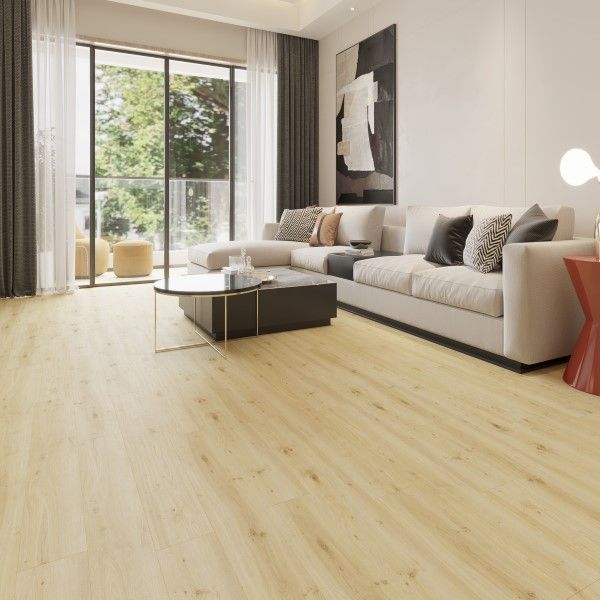
Walk into any room and notice what you feel first. It’s rarely the sofa or the artwork. More often, it’s the atmosphere. That atmosphere is heavily influenced by what’s under your feet. Flooring colour quietly shapes how spacious, warm, modern, or relaxed a room feels. It can soften harsh light, brighten dark corners, or ground a space that feels too open.
When you’re choosing new flooring, you’re not just picking a material. You’re deciding how each room in your home will feel every single day.
Why Does Flooring Colour Have Such a Strong Impact?
Colour changes perception. Lighter shades reflect natural light, making rooms appear bigger. Darker tones absorb light, creating depth. Mid-tones bring balance, especially in homes with mixed lighting. Choosing the right flooring colour isn’t just about style; it’s about making a decision you’ll live with for years. Experienced flooring consultants often advise viewing samples at home, under both natural daylight and evening lighting, before committing. Colours can shift significantly depending on the direction of light and the size of the room. Taking this extra step helps avoid costly mistakes and ensures the final result feels balanced, practical, and visually comfortable in everyday living.
Design professionals often look at three factors before recommending a floor shade:
- Room size
- Direction of natural light
- Existing wall and furniture colours
Modern options such as laminate flooring and engineered wood flooring are available in a wide range of realistic finishes, from pale ash to rich walnut. That flexibility allows you to match mood with function rather than compromise on style.
Which Colours Work Best in Living Rooms?
The living room is usually the heart of the home. It needs to feel welcoming but not overwhelming.
Light Natural Oak
If your space feels compact or doesn’t receive much daylight, light oak tones can make a noticeable difference. They:
- Reflect light
- Create an airy feel
- Provide a neutral base for décor changes
They’re especially useful in open-plan homes where visual flow matters.
Warm Mid-Tones
Honey or soft brown shades bring warmth without darkening the room too much. They feel comfortable and timeless. Many homeowners choose engineered wood flooring in these tones because it offers both authenticity and structural stability.
Contemporary Grey Finishes
Grey flooring remains popular for modern interiors. A style like grey engineered herringbone flooring adds subtle pattern and texture while maintaining a clean colour palette. In larger living rooms, it can create a designer feel without overpowering the space.
What Creates a Calm and Relaxing Bedroom?
Bedrooms benefit from flooring colours that feel gentle and grounded.
Soft Beige and Cream Shades
These tones soften the room’s overall look. They pair well with layered textiles, neutral bedding, and warm lighting.
Muted Greys
Cool greys can create a peaceful, uncluttered atmosphere. They’re ideal if you prefer a minimalist bedroom style.
In many homes, laminate flooring is chosen for bedrooms because it offers easy maintenance while still delivering realistic wood textures.
Which Colours Are Practical for Kitchens?
Kitchens are busy spaces. Spills, foot traffic, and constant movement mean practicality matters as much as appearance.
Medium Wood Tones
These shades are forgiving. They help conceal minor marks and dust while maintaining warmth. They work particularly well alongside white or navy cabinetry.
Deeper Brown or Walnut
In larger kitchens with strong natural light, darker floors can create contrast and sophistication. However, in smaller kitchens, it’s often safer to avoid very dark tones to prevent the room from feeling enclosed.
High-quality engineered wood flooring is frequently selected for kitchens where durability and moisture stability are important.
What About Hallways and Entrance Areas?
Hallways connect the entire home. They experience heavy foot traffic and need flooring that is durable but visually consistent with adjoining rooms.
Mid-tone browns are often the safest option because they disguise daily wear. For homeowners wanting something more distinctive, patterned layouts like grey engineered herringbone flooring can visually lengthen narrow corridors.
Do Dark Floors Always Make a Room Look Smaller?
Not necessarily. Dark floors can feel rich and dramatic when paired with lighter walls and good lighting. In larger rooms, they add character and depth. Balance is key.
To prevent a heavy appearance:
- Use lighter wall paint
- Add mirrors or reflective décor
- Avoid overly dark furniture combinations
How Should You Decide?
Before choosing a colour, ask yourself:
- Is this room naturally bright or dim?
- Do I want the space to feel cosy or open?
- How much maintenance am I comfortable with?
Here’s a simple guide:
| Room | Recommended Tone | Mood Created |
| Living Room | Light Oak/Soft Grey | Welcoming & Spacious |
| Bedroom | Beige/Muted Grey | Calm & Relaxing |
| Kitchen | Mid Wood Tones | Balanced & Practical |
| Hallway | Medium Brown/ Pattern | Durable & Cohesive |
Both laminate flooring and engineered wood flooring now offer finishes that closely replicate natural grain patterns, making it easier to achieve your desired look without sacrificing performance.
Final Thoughts
Flooring colour quietly shapes how your home feels day after day. The right shade can brighten a small room, warm a large one, or add subtle character without overwhelming the space.
Rather than chasing trends, focus on how you want each room to function and feel. When colour, material, and layout align, the mood of your home changes instantly — and naturally.