Old vehicles often remain unused in garages, backyards, or driveways. Many of these cars no longer run, and repair costs can be higher than the vehicle’s remaining worth. In many cases, the practical decision is to sell the vehicle as a junk car. Many owners in Brisbane choose this path when their vehicle reaches the end of its usable life.
Many people know how to sell an unwanted vehicle, yet fewer people understand what happens to the car after it leaves their property. The process does not end when the vehicle is collected. Several steps take place after that moment. These steps involve inspection, dismantling, recycling, and proper handling of different materials.
This article explains what happens after you sell a junk car in Brisbane. It also explains how the recycling process works and how vehicles are handled once they reach a scrap facility.
Why Many Cars Become Junk Vehicles
Vehicles are built to last for many years, but every car has a limit. Several factors lead to a vehicle becoming a junk car.
Mechanical failure is one common reason. When engines or transmissions fail, repair costs can become very high. Many owners decide not to repair older vehicles because the repair bill can be larger than the car’s market worth.
Accident damage is another reason. Cars that suffer heavy damage during collisions may not be safe to drive again. Insurance companies often declare such vehicles as write-offs.
Rust also plays a major role. Metal parts can weaken when exposed to moisture for many years. Severe rust can affect the frame and safety structure of a vehicle.
Age also affects vehicles. Many cars that are more than fifteen or twenty years old face problems with parts, safety features, and mechanical wear.
When several of these issues occur together, the car becomes a junk vehicle.
The Collection of the Junk Vehicle
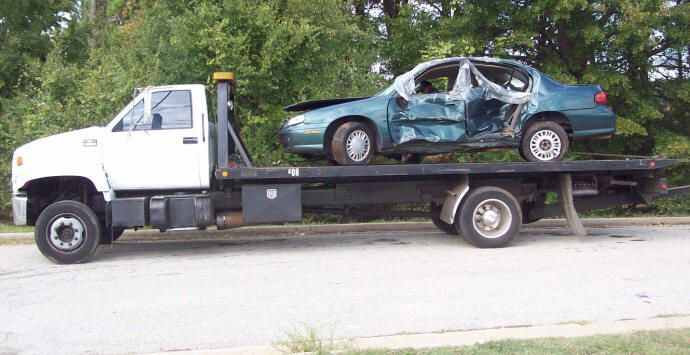
After the sale is arranged, the vehicle is collected from the owner’s location. This stage usually involves a tow truck or vehicle carrier. The car is transported from the property to a dismantling yard or recycling facility.
During this stage, basic paperwork is completed. The owner transfers ownership and records the transaction. These steps protect the previous owner from any future responsibility related to the vehicle.
Once the vehicle leaves the property, the recycling process begins.
Inspection at the Scrap Facility
When the junk vehicle arrives at the scrap yard, workers perform an inspection. This step helps identify reusable parts and materials.
Not every component of a junk vehicle is useless. Many parts still function and can be removed for resale or reuse. These parts include:
- Engines
- Gearboxes
- Alternators
- Starter motors
- Radiators
- Mirrors
- Doors
- Wheels
Each vehicle is examined carefully. Parts that remain in working condition are removed and stored.
This process helps reduce waste because usable parts return to the automotive market.
Removal of Hazardous Fluids
Vehicles contain several liquids that must be handled properly. These fluids can harm soil and water if released without control.
Before dismantling begins, workers remove fluids such as:
- Engine oil
- Transmission fluid
- Brake fluid
- Coolant
- Power steering fluid
- Fuel
These liquids are stored in containers and sent to treatment facilities. Some fluids are cleaned and reused in industrial processes.
This step is important because it prevents environmental damage.
Dismantling of Reusable Components
After fluids are removed, the dismantling stage begins. Workers take apart many components that still have use.
Parts such as engines, gearboxes, electrical units, and interior pieces are separated from the vehicle. These parts are tested and sorted.
Some parts are sold to repair shops or individuals who need replacement components for similar vehicles. Older vehicles often remain on the road, and many drivers look for used parts that match their cars.
Dismantling helps extend the life of many components.
Processing of Metal Materials
After the useful parts are removed, the remaining vehicle shell contains large amounts of metal. Most cars are made mainly from steel. Steel is one of the most recycled materials in the world.
The remaining body of the vehicle is crushed or shredded into smaller pieces. Large machines break the metal into fragments. Magnetic equipment separates steel from other materials.
Aluminium parts are also separated. Many engines, wheels, and panels contain aluminium.
These metals are sent to metal recycling plants. There, they are melted and formed into raw materials. These materials are used again in manufacturing industries.
Many new vehicles contain recycled metal from older vehicles.
Recycling of Other Vehicle Materials
A car contains more than metal. Several other materials are also recycled.
Plastic parts such as bumpers, dashboards, and interior trims are separated during processing. These plastics can be reused in manufacturing processes.
Rubber from tyres is another material that enters recycling systems. Recycled rubber is used in road surfaces, playground flooring, and other industrial products.
Glass from windows and windscreens may also be processed and reused in manufacturing.
Through these recycling steps, a large portion of the vehicle is reused instead of ending up in landfill sites.
Environmental Impact of Car Recycling
Vehicle recycling plays an important role in environmental protection. Recycling metal reduces the need for mining new raw materials. Mining requires large amounts of energy and can damage landscapes.
Recycling steel also reduces energy use in manufacturing. Studies from global steel organisations show that producing steel from recycled metal requires much less energy compared with producing steel from iron ore.
Car recycling also prevents harmful fluids from leaking into soil and waterways. Proper treatment of these substances protects wildlife and public water systems.
Because of these reasons, vehicle recycling is considered an important environmental practice.
Paperwork and Ownership Records
After the vehicle is processed, the records of the transaction remain important. Vehicle registration authorities track ownership transfers.
In Queensland, owners must notify authorities when they dispose of a vehicle. This ensures the car is removed from the previous owner’s name.
Accurate records help avoid future issues such as registration notices or traffic penalties linked to the vehicle.
For this reason, completing paperwork during the sale is an important part of the process.
A Practical Option for Unusable Vehicles
When a vehicle reaches the end of its working life, keeping it can lead to extra costs. Old vehicles may require storage space. Some may leak fluids or create safety concerns.
Many owners look for practical ways to remove such vehicles from their property. Services that help owners sell my junk car in brisbane provide a practical path when a vehicle is no longer usable. One example is offered through, where unwanted vehicles can be collected and moved into the recycling system. This type of option allows old cars to move from private properties into facilities where parts and materials can be reused.
How Recycling Supports the Automotive Industry
Recycled vehicle materials play a large role in the automotive industry. Steel from scrapped vehicles often returns to factories where new cars are built.
Used parts also support repair markets. Many mechanics and car owners use recycled components to repair older vehicles.
This process creates a cycle in which older vehicles provide materials and components for other vehicles.
The recycling system helps reduce waste while keeping useful materials in circulation.
Read More: https://www.cashforallcarbrands.com.au/car-buyer-brisbane/
Conclusion
Selling a junk car is often the final stage in the life of a vehicle. Yet the story of that car continues after it leaves the owner’s driveway. Once it reaches a recycling facility, the vehicle enters a process that involves inspection, fluid removal, dismantling, and material recovery.
Reusable parts return to the automotive market. Metals are processed and reused in manufacturing. Plastics, rubber, and glass also move into recycling systems.
These steps reduce waste, protect the environment, and support industries that rely on recycled materials. For many vehicle owners in Brisbane, selling a junk car becomes the starting point of a recycling process that gives new life to many materials inside the vehicle