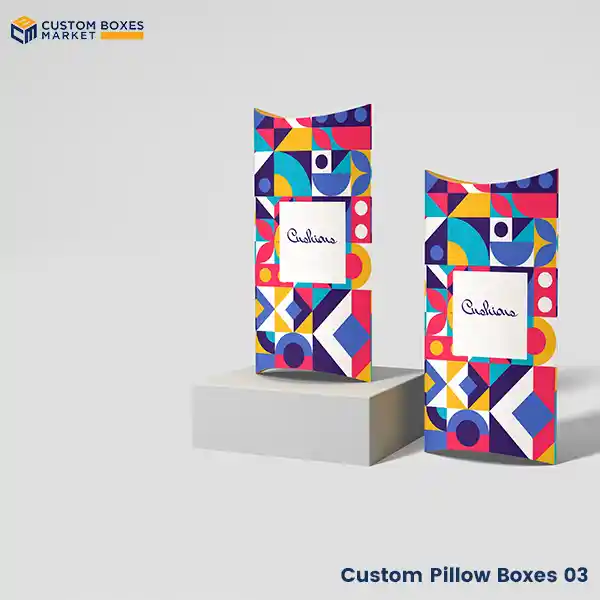
Custom pillow boxes have gained popularity in packaging in Canada as they are versatile, have physical attractiveness, and offer practicality. Although these boxes have many applications in retail, gifting, and e-commerce, environmental impact is a critical factor for both businesses and consumers. Due to the materials and production procedures, the printed pillow box implies waste management, resource use, and pollution.
Knowledge of these factors can guide businesses to make wise decisions in the aspect of maintaining the balance between business interests and ecological duties. This paper will discuss the environmental impact of custom pillow boxes.
Material Production Issues
Pillow boxes and particularly the ones constructed of virgin paper and cardboard use a lot of natural resources in production. Trees are used as raw material in making Kraft pillow boxes, water is used in pulping and processing of the product and the use of energy. Even such printed pillow boxes require extra chemicals, such as inks and coats and this can also be a source of water and soil pollution as long as they are not managed properly. Environmental effects begin at the source of materials, and it is therefore crucial that businesses take into consideration sourcing and production processes so that they can reduce the negative effects on the environment.
Production Energy Usage
Any assembly and printing of custom pillow boxes require high energy, especially in large activities. Such processes as die-cutting, folding and high-quality printing of personalized pillow boxes are often dependent on electricity produced with the help of non-renewable sources. It becomes even bigger as the features, like handles or laminated finishes, are added to the energy footprint. Wholesale suppliers of pillow boxes should evaluate their level of energy efficiency because a decrease in energy consumption directly correlates with the environmental impact of packaging manufacturing.
Transportation and Carbon Footprint
The transportation of the pillow boxes to different parts of the country, such as pillow boxes Canada, is a contributor to greenhouse gas emissions. Transportation is also a major source of the carbon footprint, particularly in cases where the boxes are transported by international manufacturers. Bulk shipments will reduce some impacts, whereas small-scale shipments, which occur frequently, will raise environmental costs. Businesses that need to decrease their footprint base should consider logistics, shipping distances, and the efficiency of carriers, prioritizing convenience over environmental friendliness.
Printing Chemicals Impact
The inks and dyes placed on a printed pillow box can be a major problem in terms of pollution. The traditional inks are typically heavy metals, toxic organic substances, and solvents, which are toxic to the ecosystem. These chemicals may be released by pillow box disposal and recycling to cause contamination problems in the soil or water. The effects can be reduced through the personalization of pillow boxes using non-toxic and water-based inks that would aid in making packaging more responsible.
Waste Management Problems
Pillow boxes that are discarded cause problems in waste management, especially when they are not recycled. Laminates, metallic foils, or plastic windows, which are mixed materials, are difficult to recycle, and they have accumulated in landfills. Biodegradable items such as kraft pillow boxes need to be discarded properly so that they can be broken down. Consumers and businesses should have specific direction on recycling, and wholesale suppliers should take into account designing packages that make end-of-life processing easier.
Borrowing and Second Uses
Custom pillow boxes have the potential to be reused despite their impact on the environment. They are usually repurposed by consumers either as storage or presents, or as a way of sorting household products. Pillow boxes with handles and personalized pillow boxes prove particularly handy in multi-purpose applications, which prolongs their life cycle and eliminates the impact they have on the overall waste volume in the short term. Reuse can contribute a little bit, but significantly towards reducing the current environmental impact of packaging solutions.
Supply Chain Transparency
Businesses that source materials in an environmentally friendly way, ensure their papers have certifications, and check what the suppliers do in their production process can greatly decrease the effects of environmental pollution. Retailers and consumers make informed decisions, and the popularity of printed pillow boxes should not be an unwarranted ecological cost; it can be revealed by revealing the sourcing and manufacturing specifics of pillow boxes by wholesalers.
Significance of Consumer Awareness
It is essential to inform consumers of the environmental effects of pillow packaging when selecting sustainable custom boxes with logo. Sensitization on recycling, reusing and proper disposal can minimize adverse impact on the environment. The emphasis on the following features can alter buying patterns: the use of biodegradable materials, non-toxic inks, and versatile designs, making one seek a solution that would allow the packaging process to be socially friendly and sustainable in terms of aesthetics. Knowledgeable consumers create a circular economy, which reduces the environmental impact of printed pillow boxes in the long-term.
Conclusion
The environmental impact of custom pillow boxes is significant in the production, manufacturing, transportation, and disposal. Pillow boxes such as printed pillow boxes, kraft pillow boxes and pillow boxes with handles are responsible in terms of resource usage, chemical usage and waste. Nevertheless, their environmental impact can be addressed by means of conscientious sourcing, energy-saving manufacturing, and stimulating reuse.
Companies and individuals contribute to these effects, so that the comfort and attractiveness of custom pillow packaging are not associated with environmental health. The knowledge of these aspects will help companies to make packaging decisions that respect both business and environmental interests.